The Climatebase Fellowship
In March 2024, Aajan Quail presented his capstone project to Climatebase Cohort 5 and Kyle joined to co-lead it. After several months and many iterations, we had the conviction to build the company. By June we had a working prototype, a graph-based autoencoder that could generate novel inorganic crystals from a target band gap.
We announced Materia Chemistries in September 2024, and Kyle went straight back to Climatebase to pitch a second capstone. Fifty people signed up to help us build. From that talent pool we assembled a Science Advisory Board and found our first teammates. In January 2025 we incorporated as a Delaware C-Corp.

Becoming a Berkeley Startup
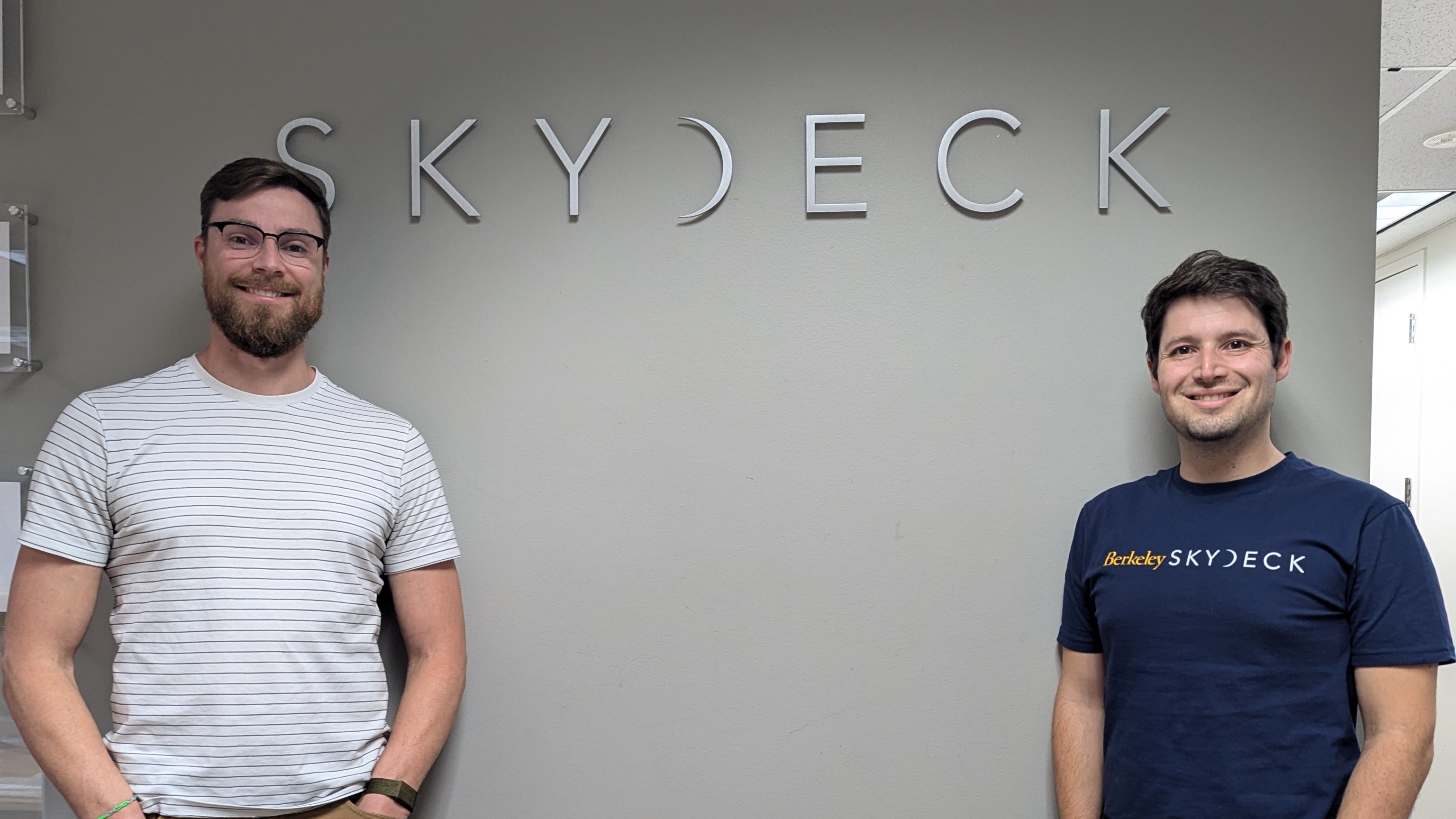
In October 2024 we were accepted into Batch 19 of the UC Berkeley SkyDeck Pad-13 incubator, a program with a 2% acceptance rate. Eight months after meeting virtually, Kyle and Aajan met in person for the first time during welcome week in Berkeley.
In March 2025 we were one of nine startups chosen from more than 400 applicants for the Climate Collective AI Accelerator. Climatebase stayed close: Aajan taught fellows, and Kyle returned to the Startups & Capstones panels for Cohorts 8 and 9. After Batch 19, Berkeley invited us back to join Batch 20 and continue working with the incredible network of mentors and advisors.


The people who built it
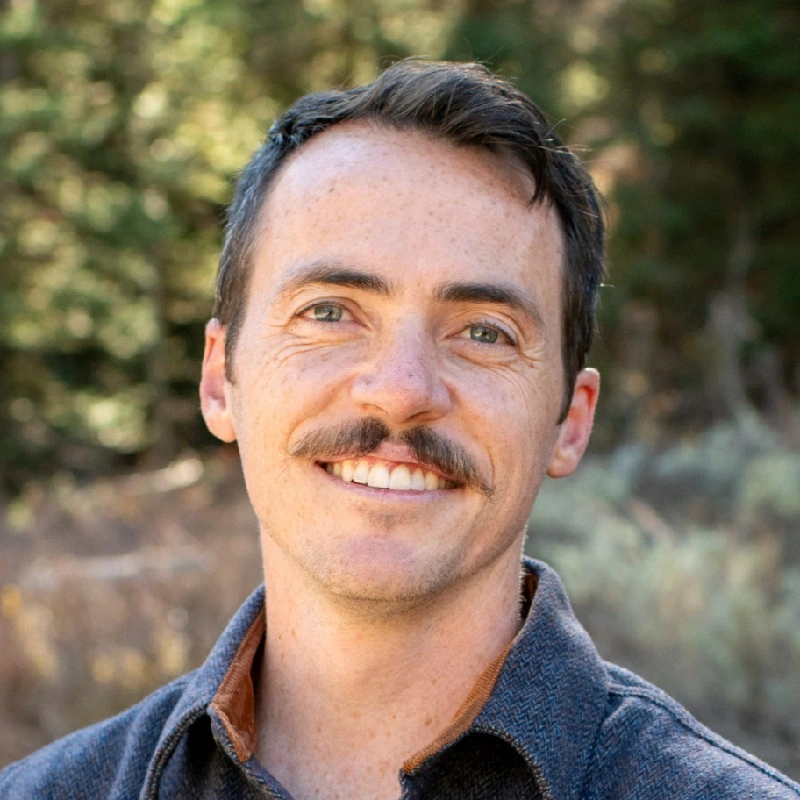
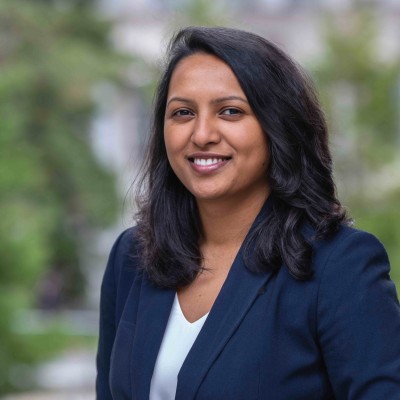
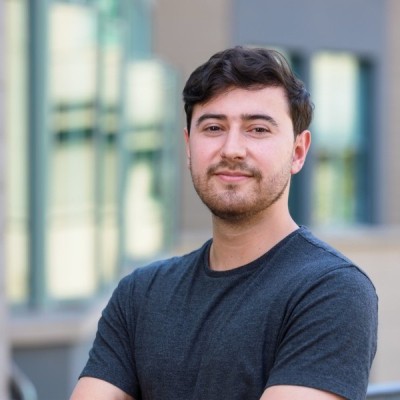
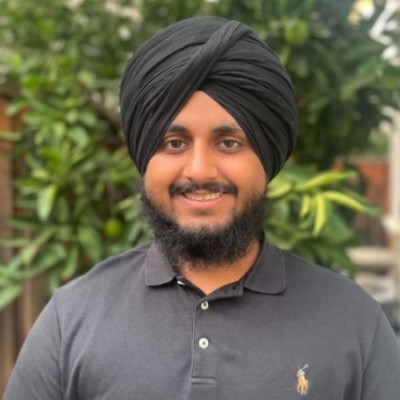
Andreana Rosnik, Cyrus Anderson and Greg Billington formed the core team around the two founders — generating synthetic materials data, sharpening the go-to-market, and driving the commercial pathway. Su Salinas designed the logo and built the brand, and SkyDeck brought Berkeley talent onto the team.
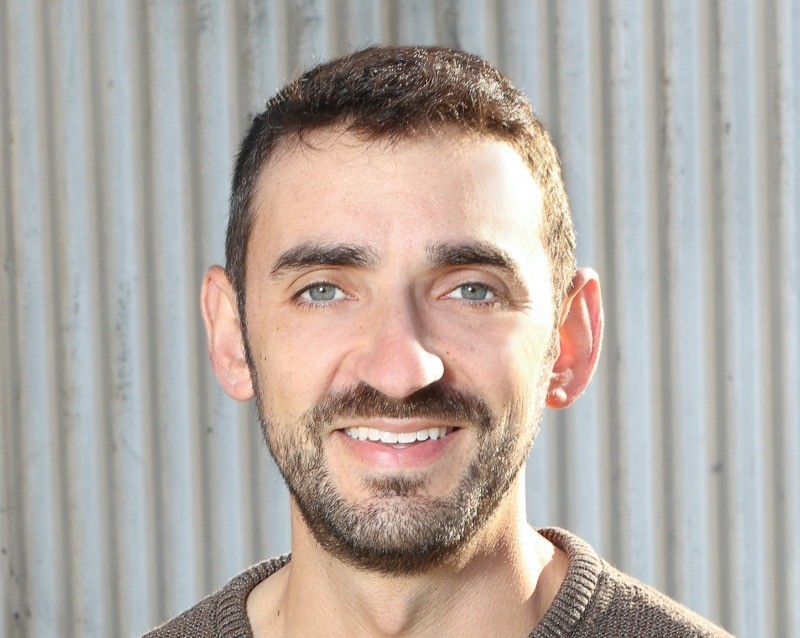
Taylor Sparks and Michael Tonks joined as our science advisors, with SkyDeck and Climate Collective advisors shaping our strategy, the fundraise, and the design-partner program. We built the culture on purpose: a virtual office in Kumospace, standups in the common area, and the occasional office prank.


Core Team
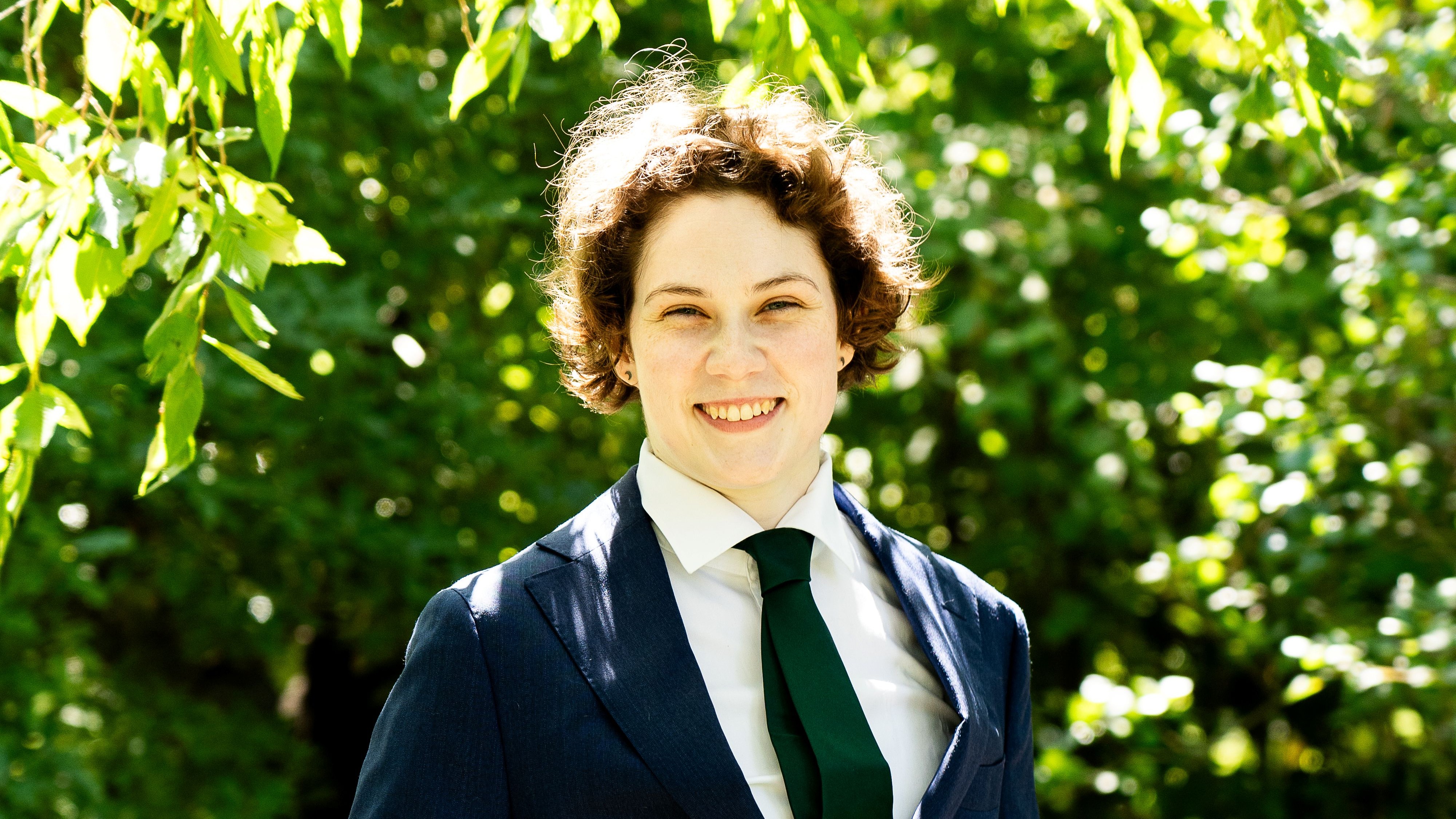
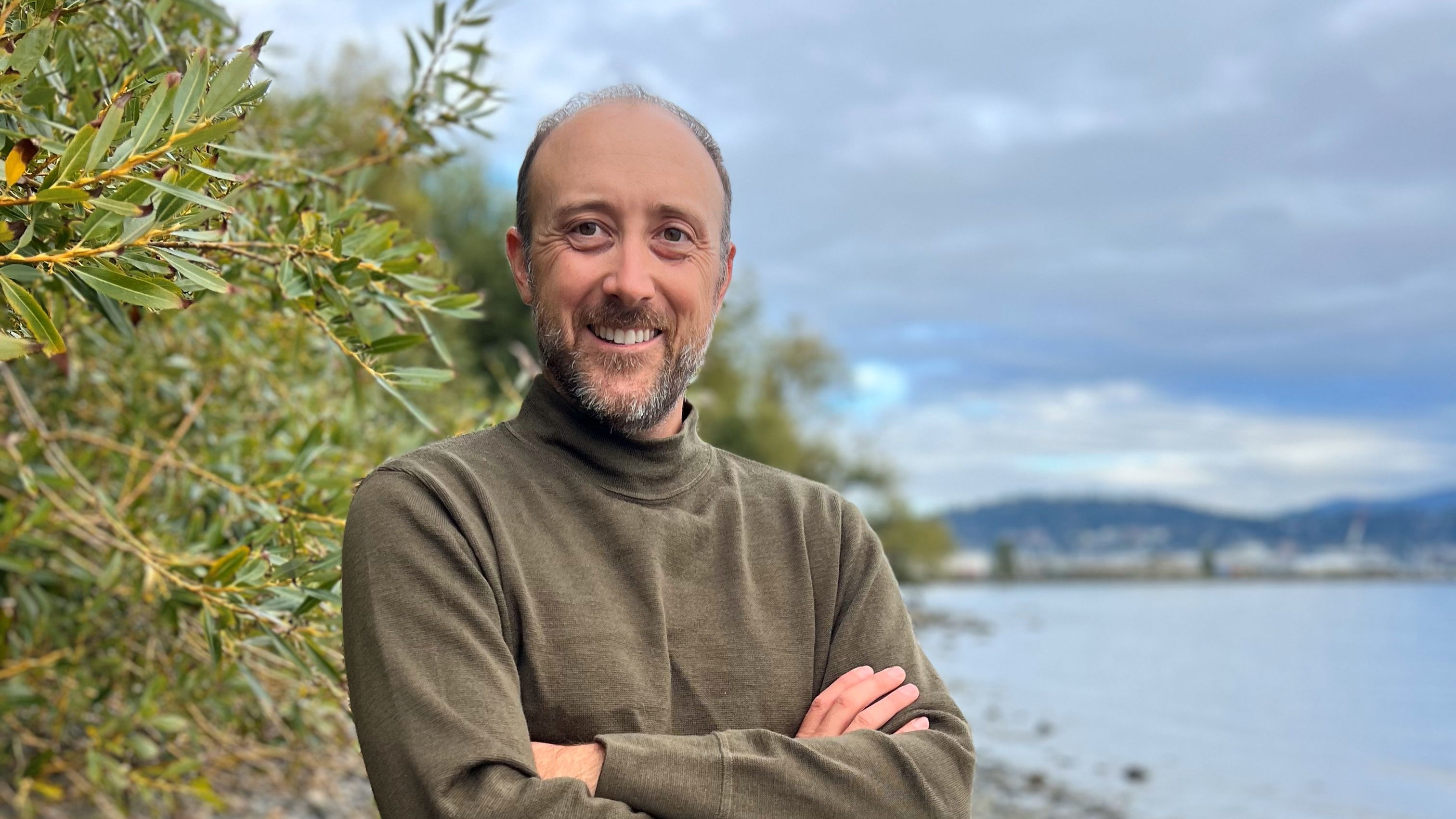
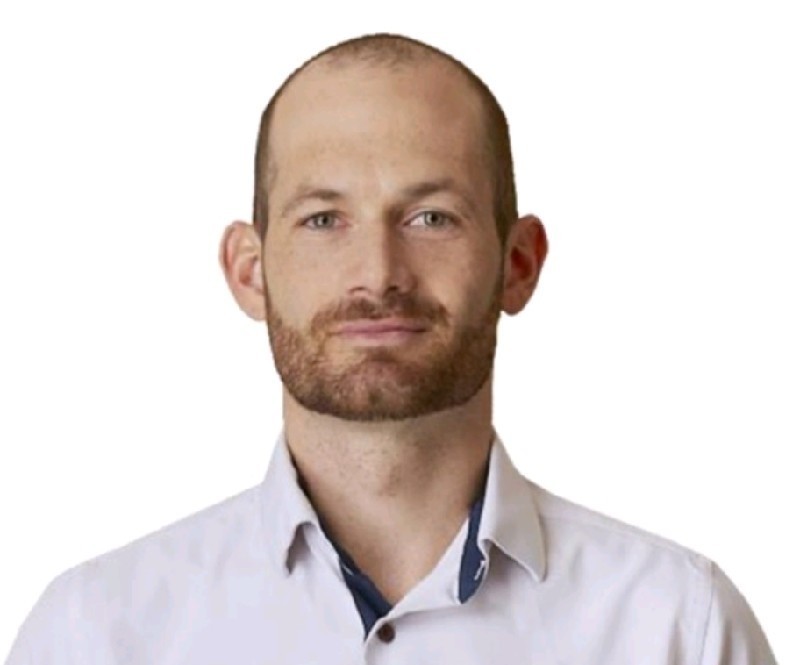
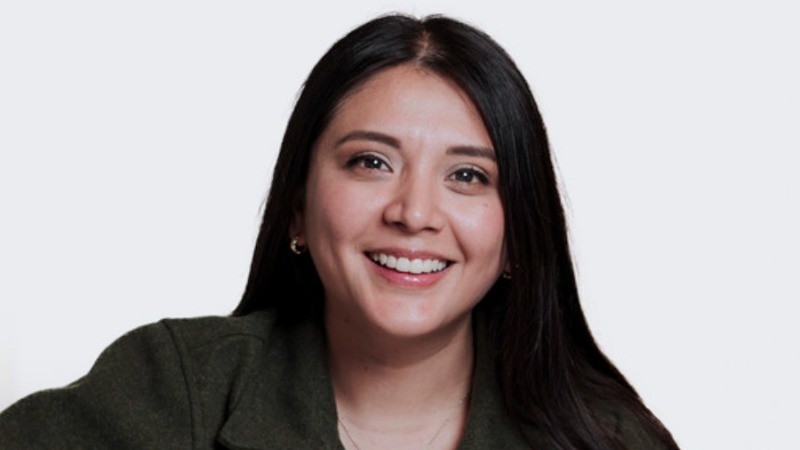
Berkeley Talent
Berkeley & Climate Collective Advisors
Learning more from less data
Materials science is starved of data, so everything we built was about learning from less of it. Bayesian sampling (SWAG, SGHMC) cut error sharply on small zeolite datasets. A pore-based graph neural network generalized to zeolite topologies it had never seen — early evidence that global features can anchor a materials foundation model. And our NIPV process, building on research from Taylor Sparks' lab at Utah, showed that datasets for generative models can be built from the ground up.
We worked our way through customer discovery and market validation taking a path through three markets: scratch-resistant coatings for solar panels, zeolite sorbents with lower water retention for direct air capture, and finally settling in materials for nuclear fusion and advanced fission.
When we pitched VCs in late 2025 nobody doubted the team, market, or timing, but our technology was still too early for seed investment.
The world's stage
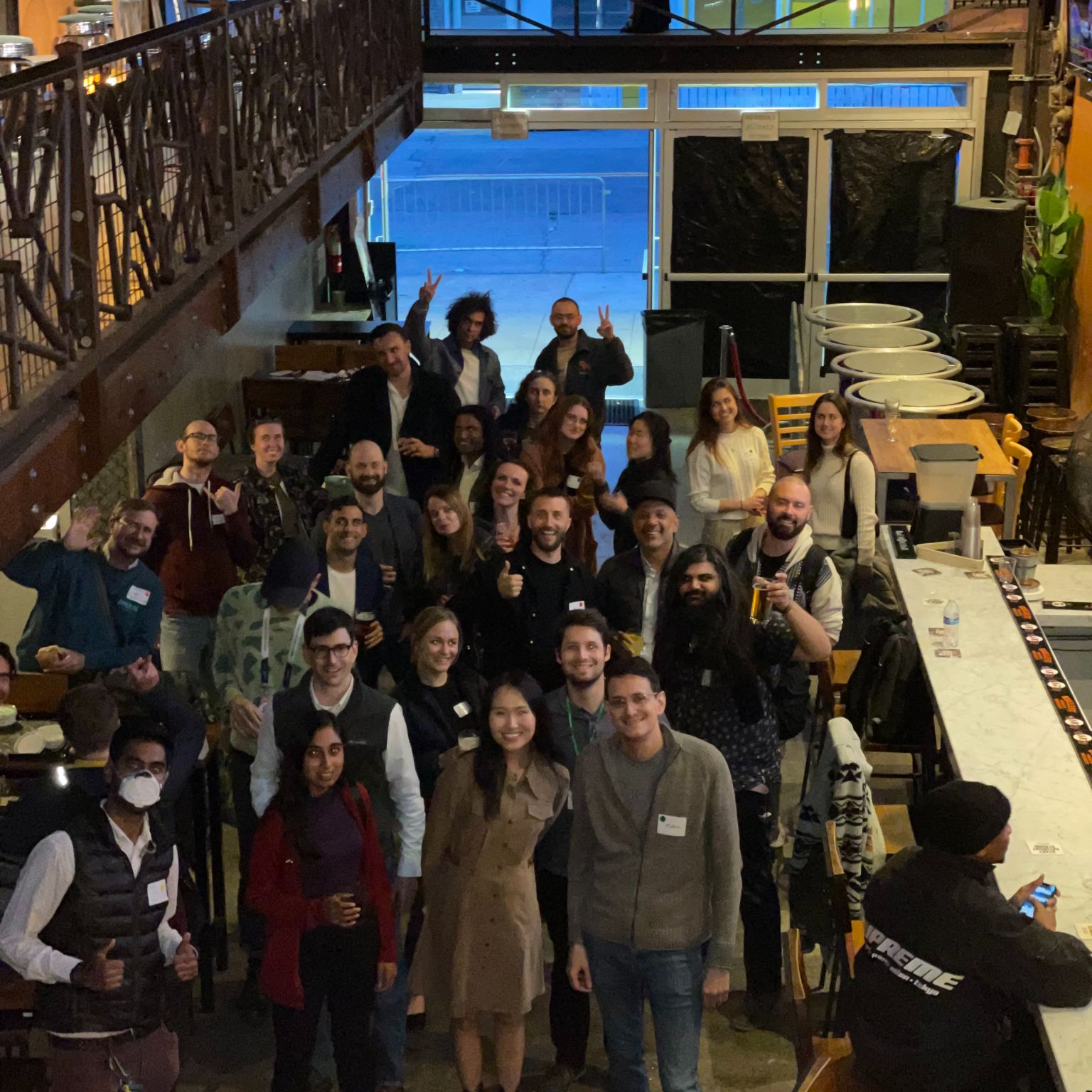
In April 2025 the whole team gathered in San Francisco for SF Climate Week. We co-hosted the Molecules & Materials Meetup with Azulene Labs for 150 registrants, Kyle spoke on the Climate & AI panel at the Global Climate Solutions Summit, and gave a lightning talk to a room full of founders at Crusoe HQ.
It was the first time most of us had been in the same room, and it was the result of an amazing team chasing a big vision.